Pashmina: A Timeless Handwritten Font for Every Workflow
When it comes to adding a personal, artistic touch to design projects, Pashmina stands out as a versatile and elegant handwritten font. Its unique characteristics make it ideal for a wide range of applications, from formal invitations to creative branding. Understanding how Pashmina fits into your workflow can help you maximize its potential and enhance the visual appeal of your work.
Designed with a focus on natural flow and aesthetic beauty, Pashmina is more than just a font—it's a tool that can elevate the quality of your designs. Whether you're working on a marketing campaign, a personal project, or a professional document, Pashmina offers a level of sophistication that is hard to match.
Understanding Pashmina: What Makes It Unique
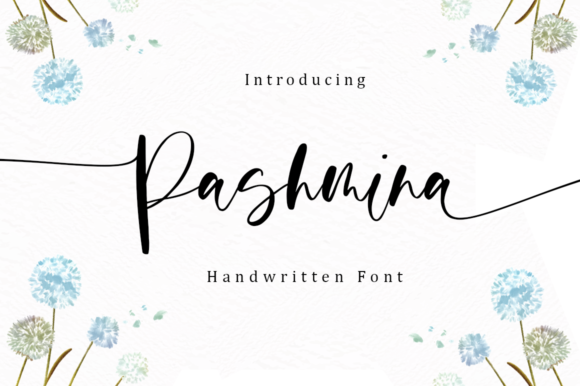
Pashmina is a handwritten font that captures the essence of calligraphy with its smooth lines and varying baseline. Unlike standard fonts, which often feel rigid and uniform, Pashmina mimics the organic movement of hand-drawn lettering. This makes it particularly well-suited for projects that require a personal, human touch.
The font features a range of glyphs, swashes, and alternates, allowing for greater customization and creativity. With PUA encoding, users can easily access all of these elements without the need for complex software or additional tools. This accessibility makes Pashmina a practical choice for designers, writers, and creators who want to add a unique flair to their work.
Integrating Pashmina into Your Design Process
Whether you're starting a new project or refining an existing one, Pashmina can be a valuable addition to your design toolkit. Its versatility allows it to fit seamlessly into different stages of the creative process, from initial concept to final execution.
Before beginning a project, consider how Pashmina can enhance your visual identity. For example, if you're designing a wedding invitation, using Pashmina can add a sense of elegance and warmth that standard fonts might not achieve. Similarly, in a branding project, Pashmina can help create a cohesive look that reflects the personality of your brand.
During the design phase, Pashmina can be used to add texture and depth to layouts. Its flowing lines and varied baseline make it ideal for headings, logos, and other prominent text elements. By incorporating Pashmina at this stage, you can ensure that your design has a consistent and refined appearance.
Using Pashmina After the Fact
Even after a project is complete, Pashmina can still play a role in enhancing your work. For instance, if you're creating a thank-you card or a greeting card, using Pashmina can add a personal, heartfelt touch that resonates with the recipient. This makes it a great choice for both professional and personal communication.
In addition, Pashmina can be used to update or refresh existing designs. If you have a logo or a business card that feels outdated, replacing the text with Pashmina can give it a fresh, modern look. This is especially useful for small businesses or freelancers looking to maintain a polished and professional image.
Compatibility and Usability
One of the key advantages of Pashmina is its compatibility with a wide range of design software and platforms. Whether you're using Adobe Creative Suite, Canva, or another design tool, Pashmina should work seamlessly with minimal setup. This makes it accessible to both novice and experienced designers.
Usability is another important factor to consider. Pashmina’s intuitive design means that even those with limited experience in typography can use it effectively. The font’s clear structure and readable style ensure that it remains legible in various sizes and contexts, making it suitable for both large-scale projects and smaller, detailed work.
Workflow Tips for Maximizing Pashmina’s Potential
To get the most out of Pashmina, consider the following tips:
- Plan ahead: Decide where and how you’ll use Pashmina before starting a project. This helps ensure consistency and avoids last-minute adjustments.
- Experiment with styles: Try different combinations of Pashmina with other fonts to find the right balance between readability and aesthetics.
- Use it strategically: Apply Pashmina to key elements such as headlines, logos, or signatures rather than entire documents to maintain clarity.
- Test across platforms: Ensure that Pashmina looks good on different devices and mediums, including print and digital formats.
Long-Term Use and Maintenance
When integrating Pashmina into your long-term workflow, it’s important to consider factors like file management and version control. Keeping track of different font versions and ensuring they are properly backed up can prevent issues down the line.
Additionally, staying updated with any new releases or improvements to Pashmina can help you take advantage of new features and enhancements. This is especially relevant if you’re using Pashmina for professional or commercial purposes, where consistency and quality are crucial.
Collaboration and Team Integration
If you're working with a team, Pashmina can be a great asset for maintaining a cohesive visual identity. Sharing the font with colleagues ensures that everyone is using the same style, which is essential for branding and marketing efforts.
When collaborating, it’s also important to communicate how and when Pashmina should be used. This helps avoid inconsistencies and ensures that the final product aligns with your overall vision. Providing guidelines or examples can make this process smoother and more efficient.
Conclusion: Embracing the Elegance of Pashmina
Pashmina is more than just a font—it's a powerful tool that can enhance the quality and appeal of your designs. By understanding how it fits into your workflow and using it strategically, you can create visually striking projects that stand out from the crowd.
Whether you're working on a personal endeavor or a professional assignment, Pashmina offers a unique blend of beauty and functionality. Its ease of use, compatibility, and versatility make it an excellent choice for anyone looking to add a handwritten touch to their work.