Door: A Timeless Handwritten Font for Every Design Need
When it comes to adding a personal touch to design work, few elements can match the charm of a handwritten font. Door is one such font that stands out for its delicate, elegant, and timeless appeal. Designed with a focus on authenticity and beauty, Door offers a unique aesthetic that can elevate any project requiring a human-like touch. Whether you're creating wedding invitations, greeting cards, or logos, Door brings a sense of warmth and individuality that digital fonts often lack.
What Makes Door Unique?
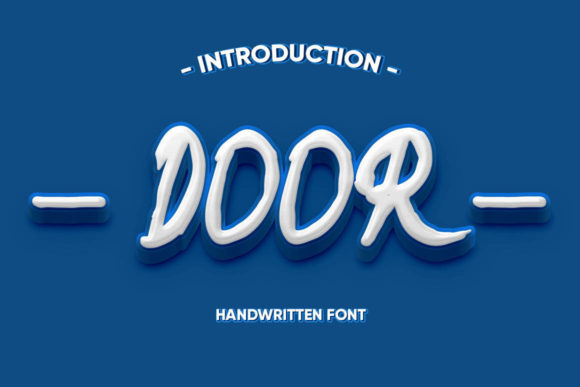
Door is more than just a font; it's an expression of personality. Its design mimics the natural flow of handwriting, making it ideal for projects where a personal, handcrafted feel is essential. Unlike many other fonts that can feel rigid or overly stylized, Door has a softness and fluidity that feels almost like a real signature. This makes it particularly appealing for creative professionals who want to convey a sense of intimacy and sincerity in their designs.
The font’s structure is carefully crafted to maintain readability while still preserving the organic qualities of handwriting. Each letter is slightly varied, giving it a dynamic and expressive look. This variation prevents the font from appearing monotonous, ensuring that it remains visually engaging across different applications.
Key Features of Door
- Handwritten Aesthetic: Door replicates the subtle irregularities of real handwriting, making it perfect for personal or artistic projects.
- Timeless Style: The font’s design is versatile enough to fit both modern and classic themes without feeling outdated.
- High Readability: Despite its handmade appearance, Door maintains clear and legible characters, making it suitable for a wide range of uses.
- Emotional Impact: The font evokes a sense of warmth and authenticity, which can enhance the emotional resonance of any design.
Where Can You Use Door?
One of the most appealing aspects of Door is its versatility. It can be used in a variety of design contexts, from formal to casual, and in both digital and print formats. Here are some common applications where Door shines:
Wedding Invitations
Weddings are all about personal touches, and Door is an excellent choice for creating elegant and heartfelt invitations. Its soft curves and natural flow give a romantic and intimate feel, making it ideal for couples who want to express their love through typography. Whether you’re designing a traditional or modern wedding invitation, Door adds a refined yet approachable look.
Greeting Cards and Thank You Notes
Door is perfect for creating personalized greeting cards, thank you notes, and other forms of written communication. Its handwritten style makes it feel more genuine and sincere, which is especially important when expressing gratitude or celebrating special occasions. Using Door in these contexts can make your message feel more meaningful and heartfelt.
Logos and Branding
For businesses looking to establish a warm and approachable brand identity, Door can be a valuable asset. It works well for logos that aim to convey creativity, authenticity, or a personal connection with the audience. However, it’s important to consider the context—Door may not be the best choice for highly corporate or technical brands that require a more formal or structured look.
Business Cards and Stationery
Business cards and stationery often serve as the first impression of a professional or business. Door can help create a memorable and distinctive look that sets your brand apart. Its elegance and uniqueness can make your contact information stand out, especially in industries that value creativity and individuality.
Who Benefits from Using Door?
Door is particularly beneficial for a wide range of users, including designers, artists, entrepreneurs, and anyone involved in creative or personal projects. Its ability to add a human element to design makes it a popular choice among those who want to convey authenticity and emotion in their work.
For example, independent artists and illustrators may use Door to sign their work or create custom labels and packaging. Small business owners might incorporate it into their branding to create a more personal and relatable image. Even individuals looking to add a personal touch to their social media posts or digital content can benefit from using Door.
Considerations When Using Door
While Door is a powerful tool, it’s important to understand its limitations. Due to its handwritten nature, it may not be the best option for long blocks of text, as the variation between letters can sometimes reduce readability. In such cases, it’s recommended to pair Door with a more standard font for body text or use it sparingly for headings and titles.
Additionally, the font’s unique style may not align with all design aesthetics. For instance, in highly minimalist or industrial-themed projects, Door could appear too ornate or out of place. It’s always a good idea to test the font in different contexts to ensure it complements the overall design rather than conflicting with it.
Real-World Applications of Door
Let’s explore a few practical examples of how Door can be used effectively in different scenarios:
- Personalized Wedding Stationery: A couple could use Door to create custom wedding invitations that reflect their unique style and relationship. The font adds a personal and romantic touch, making the invitations feel more special and meaningful.
- Artistic Branding: An artist or designer might use Door in their logo or website to create a cohesive and authentic brand identity. This can help build a stronger connection with their audience and differentiate their work from competitors.
- Handwritten Notes: Individuals can use Door to create handwritten-style notes for friends, family, or colleagues. Whether it’s a birthday card or a thank-you note, the font adds a thoughtful and personal element to the message.
How to Evaluate if Door Is Right for Your Project
Before deciding to use Door, consider the following factors:
- Project Purpose: Determine whether the font aligns with the tone and message of your project. Does it enhance the intended emotion or style?
- Readability: Test the font in different sizes and formats to ensure it remains legible and effective for your needs.
- Design Context: Assess how Door fits within the broader design scheme. Will it complement or clash with other elements?
- Target Audience: Consider whether the font will resonate with your intended audience and communicate the right message.
By taking these factors into account, you can make an informed decision about whether Door is the right choice for your specific project. Its unique blend of elegance and authenticity makes it a valuable addition to any designer’s toolkit, especially when a handwritten touch is desired.