Browny Joy: A Timeless Handwritten Font for Every Design Need
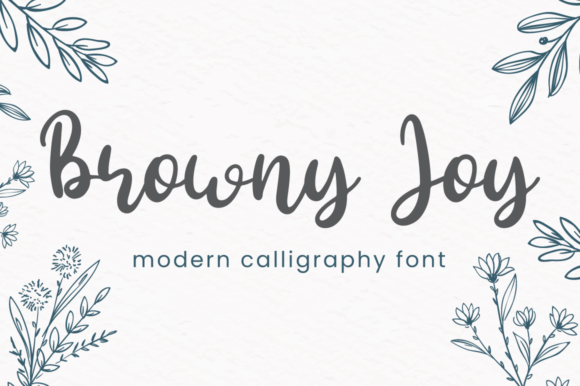
If you're looking for a font that brings warmth, personality, and a touch of elegance to your designs, Browny Joy is an excellent choice. This handwritten font stands out for its delicate, natural appearance, making it ideal for projects that require a personal or artistic flair. Whether you're designing wedding invitations, greeting cards, logos, or business materials, Browny Joy can elevate your work with its unique charm.
What makes Browny Joy so appealing is its balance between simplicity and sophistication. Unlike many fonts that feel artificial or overly stylized, Browny Joy mimics the softness of real handwriting, giving your designs a more authentic and human feel. This quality makes it particularly popular among designers, entrepreneurs, and creatives who want to convey sincerity and creativity in their visual communication.
The Right Font Can Make a Big Difference
Choosing the right font is more than just an aesthetic decision—it's about how your message is received. A poorly chosen font can make your design look unprofessional, hard to read, or even confusing. With Browny Joy, the key is to use it appropriately. While it's perfect for certain applications, it may not be the best choice for every project.
One common mistake is using handwritten fonts like Browny Joy in large blocks of text. These fonts are often designed for short phrases or headlines rather than long paragraphs. Using them for body text can reduce readability and make your design less effective. Always consider the purpose of your design before deciding on a font.
Misunderstandings About Handwritten Fonts
Many people assume that all handwritten fonts are the same, but this isn't true. Each font has its own character, and some may not work well together. For example, pairing Browny Joy with a highly stylized or decorative font could create a cluttered or chaotic look. Instead, pair it with a clean, modern sans-serif font for a balanced and professional appearance.
Another misunderstanding is that handwritten fonts are always easier to read. In reality, some can be difficult to decipher, especially if they're too cursive or inconsistent. Before finalizing your design, test Browny Joy in different sizes and contexts to ensure it remains legible and effective.
Common Mistakes When Using Browny Joy
One frequent error is not considering the context in which Browny Joy will be used. For instance, if you're creating a logo for a corporate business, a highly stylized font might not align with the brand's image. In such cases, a more restrained approach—using Browny Joy for a tagline rather than the main logo—can help maintain professionalism while still adding a personal touch.
Another mistake is not checking the licensing terms before using the font. Some fonts have restrictions on commercial use, and failing to review these can lead to legal issues. Always verify that you have the proper license for any project that involves Browny Joy, especially if it's for a client or business purpose.
How to Avoid Common Pitfalls
To get the most out of Browny Joy, start by understanding its strengths and limitations. Use it for short, impactful text rather than lengthy content. For example, instead of using it for a full-page brochure, consider using it for headings, captions, or callout text. This approach maintains readability while still showcasing the font's unique qualities.
Also, take time to experiment with different sizes and styles. What works well at 24 points may not look good at 12 points. Test your design across various mediums—print, digital, and social media—to ensure it looks great everywhere.
Realistic Examples of Better Choices
Imagine you're designing a wedding invitation. Using Browny Joy for the couple's names and the event details can add a personal and elegant touch. However, if you use it for the entire invitation, it might become overwhelming. A better approach is to pair it with a simpler font for the venue and date information, creating a harmonious and readable layout.
For a business card, using Browny Joy for the name and title can make the card stand out, but avoid using it for the contact information. A clean, easy-to-read font for the address and phone number ensures that the card is both stylish and functional.
What to Check Before Using Browny Joy
Before downloading or purchasing Browny Joy, check the available styles and weights. Some fonts come in multiple variations, and choosing the right one can make a big difference in your design. Also, consider the file format—whether it's a standard OTF or TTF file, or if it includes additional characters or language support.
Finally, always preview the font in your design software before committing to it. This allows you to see how it looks in context and make adjustments as needed. Don’t rush the process; taking the time to evaluate Browny Joy can save you from costly mistakes down the line.