Shintonia: A Timeless Choice for Elegant Design
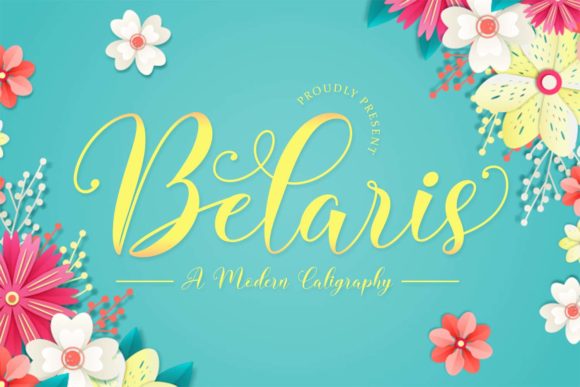
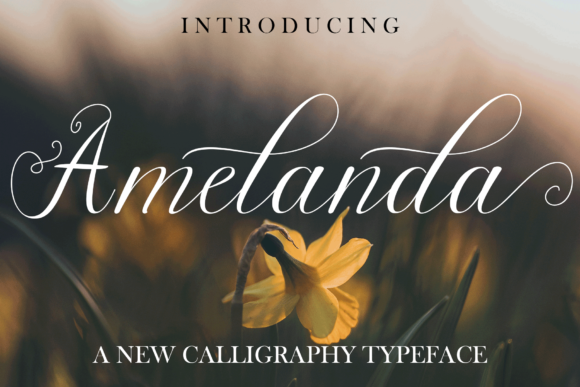
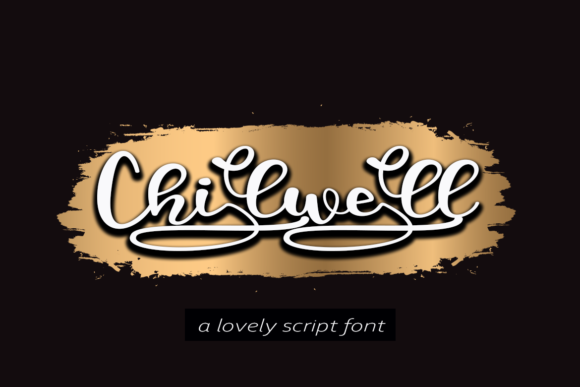
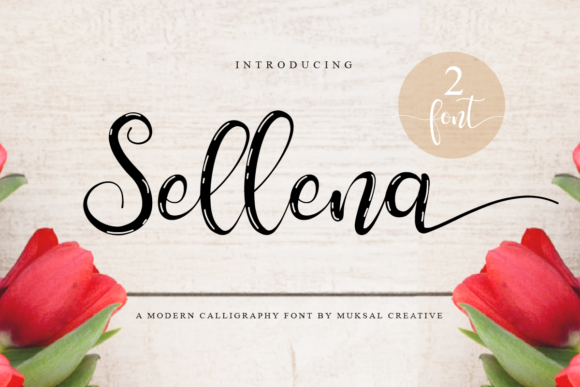
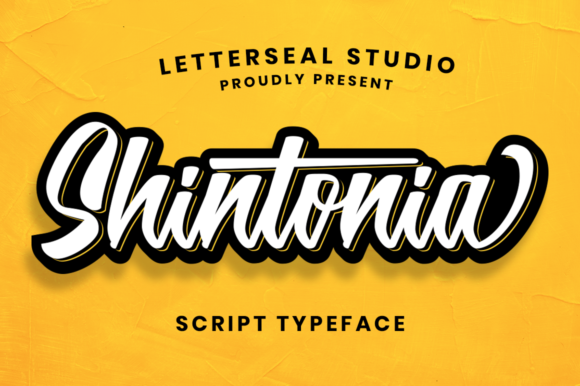
Shintonia is a beautiful script font that combines the grace of handwriting with the precision of digital typography. Its flowing lines and refined details make it ideal for a wide range of design projects, from wedding invitations to business cards. Whether you're a designer, entrepreneur, or hobbyist, Shintonia offers a versatile and stylish option that can elevate your work.
What makes Shintonia stand out is its ability to convey warmth and sophistication at the same time. It’s not just a font—it’s a statement. But like any tool, it requires careful consideration to use effectively. Understanding how to choose, apply, and optimize Shintonia can make all the difference in your final result.
Common Mistakes When Using Shintonia
Many users jump into using Shintonia without fully understanding its characteristics. One common mistake is assuming that it works well in every context. While Shintonia is elegant, it may not be the best choice for large blocks of text or low-contrast backgrounds. The delicate strokes can become difficult to read if not used properly.
Another frequent error is overusing the font. Some designers apply it to entire documents or multiple elements, which can create visual clutter. Shintonia shines when used sparingly—perhaps as a headline, logo, or signature element. Overuse can dilute its impact and reduce readability.
Additionally, some users overlook the importance of proper spacing and kerning. Script fonts like Shintonia require careful adjustment to ensure even distribution of letters and a polished look. Neglecting these details can lead to an unprofessional appearance, especially in printed materials.
How Mistakes Affect Results
Using Shintonia incorrectly can lead to several issues. Poor readability is one of the most significant concerns. If the font is too small or placed on a busy background, it can be hard for readers to engage with the content. This is especially important for marketing materials, where clarity is key.
Another consequence is reduced visual appeal. When Shintonia is applied without attention to detail, the overall design can feel rushed or unrefined. This can hurt the perception of your brand or project, especially in professional settings.
Cost and efficiency are also factors. Some users might purchase a font only to find it doesn’t meet their needs, leading to wasted resources. Others might spend extra time trying to fix issues that could have been avoided with better planning.
Practical Tips for Using Shintonia Effectively
To get the most out of Shintonia, start by testing it in different contexts. Try it on sample designs before committing to a full project. This allows you to see how it performs in various sizes, colors, and layouts.
Use it as a focal point rather than a background element. Pair it with simpler fonts for contrast and balance. For example, combine Shintonia with a sans-serif font for body text to maintain readability while keeping the design visually engaging.
Pay attention to spacing and alignment. Use design tools that offer advanced typography features to fine-tune letter spacing and line height. This ensures that Shintonia looks clean and professional in every application.
Things to Check Before Using Shintonia
Before downloading or purchasing Shintonia, verify that it’s licensed for your intended use. Some fonts have restrictions on commercial projects, so it’s essential to check the license terms to avoid legal issues.
Consider the platform and software you’ll be using. Make sure Shintonia is compatible with your design programs, such as Adobe Illustrator, InDesign, or Canva. Some fonts may not render correctly across all devices or operating systems.
Review the font’s weight and style options. Shintonia may come in different variations, such as regular, bold, or cursive. Choose the version that best suits your design goals and ensures consistency across your work.
Realistic Examples of Better Choices
Instead of using Shintonia for long paragraphs, consider applying it to headings or logos. For instance, a wedding invitation might feature Shintonia in the couple’s names, while the rest of the text uses a more readable font. This creates a balanced and elegant layout.
If you’re designing a business card, use Shintonia for your name and title but keep the contact information in a simpler typeface. This maintains professionalism while still highlighting the unique character of the font.
For social media graphics, pair Shintonia with bold, modern fonts to create visual interest. This approach helps the text stand out without overwhelming the viewer.
Final Thoughts on Shintonia
Shintonia is a powerful tool for adding a handwritten touch to your designs. Its charm and elegance make it a popular choice among creatives and professionals alike. However, success with Shintonia depends on thoughtful application and attention to detail.
By avoiding common mistakes and following practical guidelines, you can ensure that Shintonia enhances your work rather than detracts from it. Take the time to experiment, test, and refine your approach, and you’ll unlock the full potential of this beautiful font.