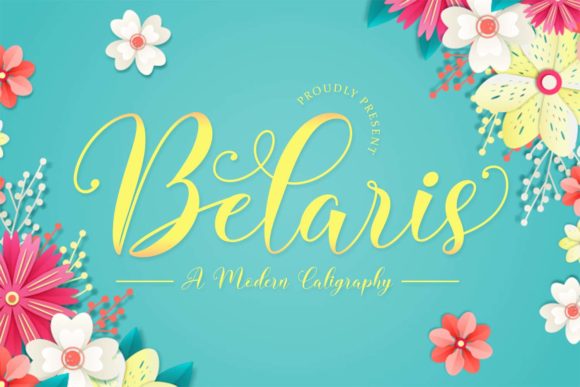
Belaris: A Strategic Choice for Elegant Design and Purposeful Communication
Belaris is a typeface that combines elegance with functionality, offering a refined aesthetic that resonates across various design applications. Its flowing, handwritten style makes it particularly appealing for projects that require a personal, artistic touch. From wedding invitations to business cards, Belaris adds a level of sophistication that can elevate the perceived value of any design. Understanding when and how to use Belaris strategically can make a significant difference in achieving your creative and professional goals.
Understanding Belaris: More Than Just a Font
Belaris is not just a typeface—it's a tool that can shape how your message is received. Its unique characteristics, such as varying baseline, smooth lines, and stunning alternates, allow for a more dynamic and expressive visual identity. This makes it ideal for designers who want to convey emotion, creativity, or a sense of refinement without sacrificing readability.
For professionals in branding, marketing, or content creation, Belaris offers a way to differentiate their work. It can be used to create a cohesive look across multiple platforms, ensuring that every piece—whether a logo, social media post, or printed material—maintains a consistent and elegant appearance.
Strategic Use of Belaris in Branding and Communication
When used thoughtfully, Belaris can enhance your brand’s identity by adding a human element to your communication. In a digital age where most content is generated through standard fonts, using a typeface like Belaris can make your brand stand out. It conveys a sense of craftsmanship and attention to detail, which can resonate with audiences looking for authenticity and quality.
Consider using Belaris in your branding materials if you're targeting a niche audience that values aesthetics and individuality. For example, a boutique wedding planner might use Belaris on their website and promotional materials to communicate a sense of exclusivity and artistry. Similarly, an independent publisher could use it for book covers or author bios to create a more personal connection with readers.
When to Use Belaris: Practical Scenarios
Belaris is most effective when used in contexts that benefit from a handwritten or organic feel. This includes:
- Wedding invitations: To add a romantic and personal touch.
- Thank you cards: To express gratitude in a more heartfelt manner.
- Quotes and greeting cards: To enhance the emotional impact of the message.
- Logos and business cards: To create a memorable and elegant brand presence.
However, it's important to consider the context. While Belaris works well in design elements that emphasize creativity, it may not be suitable for body text in long-form content. The font’s intricate details can reduce readability when used in large blocks of text, making it less practical for articles, reports, or other forms of written communication.
Planning Your Approach: Key Considerations
Before incorporating Belaris into your design strategy, take time to plan its use. Start by defining your goals. Are you trying to create a more personal brand? Enhance the visual appeal of your materials? Or differentiate yourself from competitors? Clarifying your objectives will help you determine where and how to apply the font effectively.
Additionally, consider your audience. If your target demographic values tradition, luxury, or artistry, Belaris can reinforce those values. However, if your audience prefers modern, minimalist designs, you may need to balance Belaris with other typefaces to maintain visual harmony.
Maximizing Impact: Tips for Effective Use
To get the most out of Belaris, follow these practical tips:
- Use it selectively: Apply Belaris to headlines, logos, or key design elements rather than entire documents.
- Pair it with complementary fonts: Combine it with a clean, sans-serif typeface for contrast and improved readability.
- Test different weights and styles: Experiment with variations of Belaris to find the one that best suits your needs.
- Ensure consistency: Maintain a cohesive look across all materials that feature Belaris.
These strategies can help you avoid common pitfalls, such as overuse or poor legibility, while maximizing the font’s strengths.
Risks of Using Belaris Without Clear Intent
While Belaris is a powerful design tool, it can also be misused. Without a clear purpose, it may come across as gimmicky or unprofessional. For instance, using it in a business proposal or technical document could undermine the credibility of your message. Similarly, applying it randomly across multiple elements without a cohesive plan can lead to visual clutter and confusion.
It's essential to approach Belaris with intention. Ask yourself: Does this use align with my brand’s identity? Will it enhance the message I’m trying to convey? If the answer isn’t clear, it may be better to choose a different typeface.
Long-Term Value: Building a Sustainable Design Strategy
Incorporating Belaris into your design toolkit can contribute to long-term success by reinforcing your brand’s unique identity. Over time, consistent use of a distinctive typeface can help build recognition and trust with your audience. This is especially valuable in industries where visual identity plays a crucial role, such as fashion, publishing, or event planning.
Moreover, Belaris can support your creative growth by encouraging experimentation and thoughtful design choices. By using it intentionally, you can develop a deeper understanding of typography and its impact on communication, which can benefit your work in the long run.
Conclusion: Embracing Belaris as a Thoughtful Design Choice
Belaris is more than just a beautiful typeface—it's a strategic asset that can enhance your design work and support your broader goals. Whether you're creating a wedding invitation, building a brand, or designing a marketing campaign, Belaris offers a way to add elegance and personality to your projects. However, its effectiveness depends on how you use it. By approaching it with clarity, purpose, and attention to detail, you can unlock its full potential and achieve better results in your creative and professional endeavors.