Shadow: A Versatile Font for Elegant Design Workflows
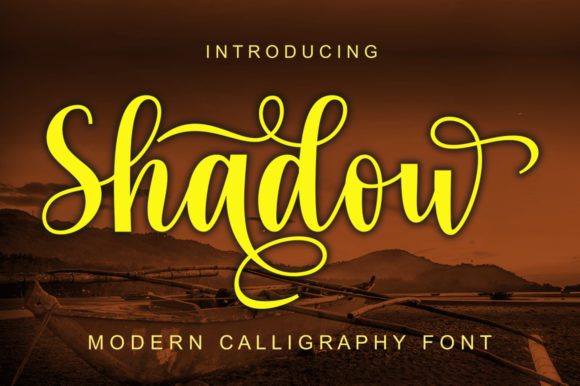
Shadow is more than just a font—it's a design tool that brings a sense of grace and fluidity to any project. With its elegant, flowing style, Shadow is ideal for a wide range of applications, from wedding invitations to business cards, logos, and digital content. Its unique characteristics make it a go-to choice for professionals and creatives looking to add a handwritten touch to their work.
Whether you're designing a marketing campaign, crafting a personal project, or developing a brand identity, Shadow offers a level of sophistication that can elevate your output. Its varying baseline, smooth lines, and stunning alternates create a natural, organic feel that sets it apart from other fonts. This makes it particularly well-suited for projects where a personal, authentic touch is desired.
Understanding Shadow in the Design Process
Shadow fits seamlessly into the broader design process, offering flexibility at every stage. Before starting a project, you can use Shadow to explore visual concepts and get a sense of how a handwritten style might enhance your message. During development, it can be integrated into mockups, layouts, and prototypes to test different design directions. After the project is complete, Shadow can help maintain consistency across all materials, ensuring a cohesive look and feel.
The font’s versatility means it can be used in both digital and print formats, making it a valuable asset for designers who work across multiple platforms. Whether you're creating a social media post, a brochure, or a website header, Shadow provides a consistent and professional appearance that aligns with modern design trends.
Practical Applications of Shadow
One of the most common uses for Shadow is in wedding invitations, where its flowing script adds an air of elegance and tradition. It's also popular for thank you cards, quotes, and greeting cards, where a personal, handwritten style can make a meaningful impact. In addition, Shadow is widely used in logos and business cards, where it helps convey a sense of creativity and craftsmanship.
For entrepreneurs and small business owners, Shadow can be a powerful tool for branding. It allows for the creation of visually appealing marketing materials that stand out in a competitive market. When paired with other design elements like colors, images, and layouts, Shadow enhances the overall aesthetic and reinforces brand identity.
Integrating Shadow into Your Workflow
To get the most out of Shadow, consider how it fits into your existing workflow. If you're using design software like Adobe Photoshop, Illustrator, or Canva, you can easily install and apply the font to your projects. For web developers, Shadow can be embedded into websites using CSS, allowing for consistent typography across digital platforms.
When working on a team, it's important to ensure that all members have access to the same font files and style guides. This helps maintain consistency and avoids discrepancies in design outputs. Additionally, if you're collaborating with clients or stakeholders, sharing samples of your work with Shadow applied can help them visualize the final result and provide feedback early in the process.
Enhancing Creativity with Shadow
Shadow is not just a font—it's a creative enabler. Its fluid strokes and varied glyphs allow for expressive typography that can evoke emotion and tell a story. Whether you're designing for a client or working on a personal project, Shadow gives you the freedom to experiment with layout, spacing, and visual hierarchy.
For educators and bloggers, Shadow can be used to create engaging content that captures attention and conveys a sense of authenticity. It's particularly effective for headings, captions, and featured text, where a stylized font can draw readers in and make the content more memorable.
Best Practices for Using Shadow
To maximize the effectiveness of Shadow, follow these best practices:
- Use it selectively: While Shadow is beautiful, it may not be suitable for large blocks of text. Use it for headlines, titles, and short phrases to maintain readability.
- Pair it with complementary fonts: Combine Shadow with sans-serif or serif fonts to create contrast and balance in your designs.
- Test it in different contexts: Preview Shadow in various sizes, backgrounds, and layouts to ensure it looks great in all scenarios.
- Ensure compatibility: Check that Shadow works across different devices, operating systems, and design platforms to avoid display issues.
Shadow in Long-Term Projects
For long-term projects, such as ongoing marketing campaigns or brand development, Shadow can serve as a consistent visual element that reinforces brand recognition. By using the same font across all materials, you create a unified look that strengthens your brand's identity over time.
Consistency is key when using Shadow in long-term workflows. Establishing a style guide that includes font usage, spacing, and color schemes ensures that everyone involved in the project maintains the same standards. This is especially important when working with remote teams or external collaborators.
Conclusion: Embracing Shadow for Professional and Creative Success
Shadow is a powerful font that offers both aesthetic appeal and practical utility. Its elegant, flowing style makes it ideal for a wide range of design applications, from formal invitations to modern branding. By integrating Shadow into your workflow, you can enhance the quality of your work, improve efficiency, and create more visually compelling designs.
Whether you're a designer, marketer, entrepreneur, or hobbyist, Shadow provides a versatile solution for adding a handwritten touch to your projects. With careful planning, thoughtful implementation, and a focus on consistency, you can leverage Shadow to achieve professional results and elevate your creative output.