Gayesha: A Flowing Script for Elegant Design Workflows
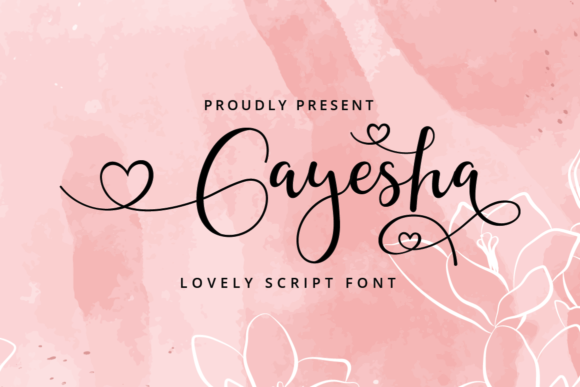
Gayesha is a beautifully crafted script font that brings an air of sophistication and grace to any design project. Its elegant, flowing lines and unique glyphs make it ideal for a wide range of applications, from wedding invitations to business cards and everything in between. This font is particularly well-suited for designs that require a handwritten touch, offering both aesthetic appeal and functional versatility.
For professionals and creatives who rely on typography to enhance their work, Gayesha provides a reliable and expressive tool. Whether you're working on a personal project or a client's design, this font can elevate the visual impact of your output while maintaining readability and clarity.
Integrating Gayesha into Your Design Process
Gayesha can be a valuable addition at various stages of a design project. Before starting, consider how the font aligns with the overall theme and message of your work. For instance, if you're designing a wedding invitation, Gayesha’s fluidity and elegance can reinforce the romantic and celebratory tone of the event.
During the design process, use Gayesha to create focal points or to add a personal touch to elements like signatures, headings, or decorative text. Its varying baseline and smooth lines allow for dynamic placement within layouts, making it easy to incorporate into different design frameworks.
After completing a project, review how Gayesha contributes to the final outcome. Does it enhance the visual harmony of the design? Is it consistent with the intended audience and purpose? These considerations can help ensure that the font supports the overall goals of your work.
Practical Use Cases for Gayesha
Gayesha is particularly effective in scenarios where a handwritten feel is desired. For example, when creating thank you cards or greeting cards, the font adds a personal and heartfelt touch that machine-printed fonts may lack. It also works well for quotes, logos, and branding materials that aim to convey authenticity and craftsmanship.
In business settings, Gayesha can be used on business cards, letterheads, or promotional materials to create a memorable and professional appearance. Its alternates and glyphs offer flexibility, allowing designers to tailor the font to specific brand identities or creative visions.
For educators or content creators, Gayesha can enhance the visual appeal of presentations, worksheets, or digital content. When paired with other fonts, it can add contrast and depth, making information more engaging and visually appealing.
Workflow Integration and Compatibility
When incorporating Gayesha into your workflow, consider its compatibility with other design tools and platforms. Most modern design software, including Adobe Creative Suite, Canva, and Figma, supports custom fonts, making it easy to integrate Gayesha into your projects.
Before using the font, ensure that it is properly licensed for your intended use. This is especially important if you're working on commercial projects or sharing designs with clients. Proper licensing helps avoid legal issues and ensures that you're using the font responsibly.
Additionally, test Gayesha across different devices and platforms to verify that it displays consistently. Variations in screen resolution or rendering engines can affect how the font appears, so it's wise to review your work on multiple devices before finalizing a design.
Best Practices for Using Gayesha
To get the most out of Gayesha, start by understanding its strengths and limitations. While it excels in decorative and expressive contexts, it may not be the best choice for body text due to its intricate details and potential readability challenges at smaller sizes.
When using Gayesha in combination with other fonts, choose complementary typefaces that balance its elegance without overpowering it. For example, pair it with a clean sans-serif font for headings or captions to create a harmonious visual hierarchy.
Pay attention to spacing and alignment when working with Gayesha. Its varying baseline and unique glyph shapes can affect the overall layout, so adjust line spacing and kerning as needed to maintain clarity and visual consistency.
Enhancing Creativity with Gayesha
Gayesha can inspire creativity by offering a fresh alternative to standard fonts. Its flowing style encourages experimentation, allowing designers to explore new ways of expressing ideas through typography. Whether you're working on a personal project or a client's request, this font can help you stand out and deliver unique results.
For those involved in learning or teaching, Gayesha can serve as a useful example of how typography influences communication. Discussing its characteristics and applications can deepen understanding of design principles and help students appreciate the role of font choice in visual storytelling.
Ultimately, Gayesha is more than just a font—it's a tool that can enhance the quality and impact of your work. By integrating it thoughtfully into your design process, you can create more engaging and visually compelling outputs that resonate with your audience.
Long-Term Use and Maintenance
When using Gayesha over time, keep track of updates or changes to the font file. Some versions may include improvements or additional glyphs that can expand your creative options. Regularly reviewing and updating your font library ensures that you have access to the latest features and enhancements.
Organize your design assets to streamline the use of Gayesha. Create a dedicated folder for font files and associated design elements, making it easier to locate and apply the font in future projects. This practice improves efficiency and reduces the risk of errors or inconsistencies.
Finally, consider the long-term goals of your projects when using Gayesha. If you're building a brand or developing a series of designs, maintaining consistency in font usage can strengthen your visual identity and improve recognition over time.