Embracing the Elegance of Dayton Script in Modern Design
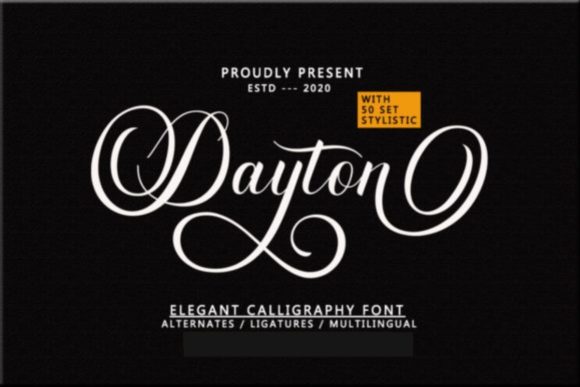
Dayton Script is more than just a typeface; it’s a stylistic choice that brings a sense of refinement and personal touch to any design project. Its flowing, elegant strokes and varying baseline make it stand out in a world where digital precision often overshadows human artistry. Whether used in wedding invitations, business cards, or branding materials, Dayton Script adds a unique character that resonates with both designers and end-users.
The visual appeal of Dayton Script lies in its smooth lines and intricate glyphs. Each letter seems to dance across the page, creating a sense of movement and fluidity. This quality makes it particularly well-suited for designs that aim to evoke emotion, such as love letters, thank you notes, or artistic quotes. The script’s alternates—different versions of certain characters—allow for greater customization, ensuring that no two pieces look exactly the same.
One of the most compelling aspects of Dayton Script is its versatility. It can be used in both digital and print formats, making it a valuable tool for designers working across multiple mediums. For instance, a logo that incorporates Dayton Script can maintain its elegance whether displayed on a website or printed on a product. This adaptability ensures that the typeface remains relevant in an ever-evolving design landscape.
When considering the use of Dayton Script, it’s important to understand how it interacts with other design elements. The script’s flowing nature can sometimes make it less legible in large blocks of text, so it’s best suited for short phrases, headings, or decorative elements. However, when used appropriately, it can elevate the overall aesthetic of a design without compromising readability.
Designers who work with Dayton Script often find that it encourages a more thoughtful approach to typography. The need to balance the script’s ornate features with other design components fosters creativity and attention to detail. This process can lead to more meaningful and visually engaging projects, especially when the goal is to convey a specific mood or message.
For businesses looking to differentiate themselves, Dayton Script offers a way to add a personal, handwritten feel to their branding. In an era where many brands rely on clean, modern fonts, using a script like Dayton can create a memorable impression. This is particularly effective for small businesses, artisans, or independent creators who want to emphasize craftsmanship and individuality.
Another advantage of Dayton Script is its ability to complement other typefaces. When paired with a sans-serif or serif font, it can create a harmonious contrast that draws attention to key elements. For example, a headline in Dayton Script paired with a simple body text in a clean font can enhance readability while maintaining visual interest.
From a technical standpoint, Dayton Script is designed with scalability in mind. Its glyphs are optimized for various sizes, ensuring that it retains its clarity and beauty whether used in a small card or a large banner. This makes it a practical choice for designers who need to maintain consistency across different applications.
While Dayton Script is often associated with formal or romantic contexts, its applications extend far beyond weddings and greeting cards. It can be used in educational materials, such as lesson plans or certificates, to add a touch of elegance. It also works well in marketing campaigns that aim to evoke a sense of tradition or nostalgia.
For educators and students, Dayton Script can serve as a tool for exploring the intersection of art and language. Incorporating the script into classroom projects or assignments can help learners appreciate the nuances of typography and how it influences communication. This hands-on approach can deepen understanding and foster a greater appreciation for design principles.
In the realm of digital content creation, Dayton Script can be used to enhance the visual appeal of websites, social media posts, or email newsletters. Its flowing style can make text more engaging, especially when used for headlines or call-to-action buttons. However, it’s essential to consider the platform’s limitations and ensure that the font is displayed correctly across different devices and browsers.
As with any design element, the success of using Dayton Script depends on context and intention. A designer must ask themselves: What message do they want to convey? Who is the target audience? How will the script interact with other design elements? These questions can guide the decision-making process and ensure that the final result aligns with the project’s goals.
Ultimately, Dayton Script is a powerful tool that, when used thoughtfully, can transform ordinary designs into something truly special. Its elegance, flexibility, and emotional resonance make it a valuable asset for anyone involved in the creative process. Whether you’re a professional designer or a hobbyist exploring new possibilities, Dayton Script offers a unique way to express yourself through typography.
By embracing the characteristics of Dayton Script, designers can create work that feels both authentic and refined. It reminds us that even in a digital age, there is still a place for the beauty of the handwritten word. As more people seek out personalized and meaningful experiences, the demand for typefaces like Dayton Script is likely to grow, ensuring its continued relevance in the design world.