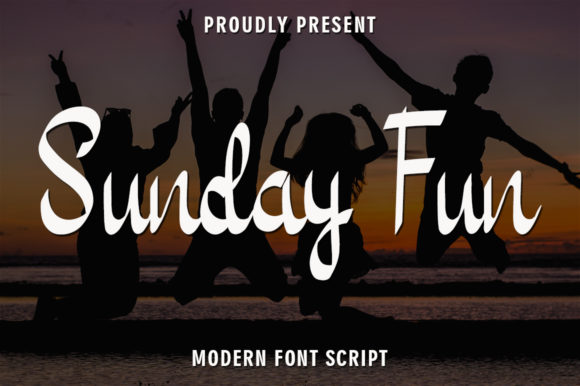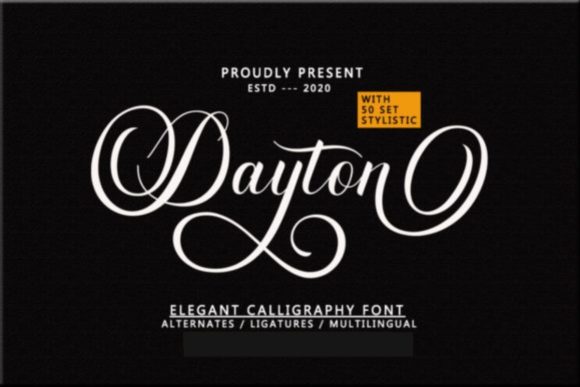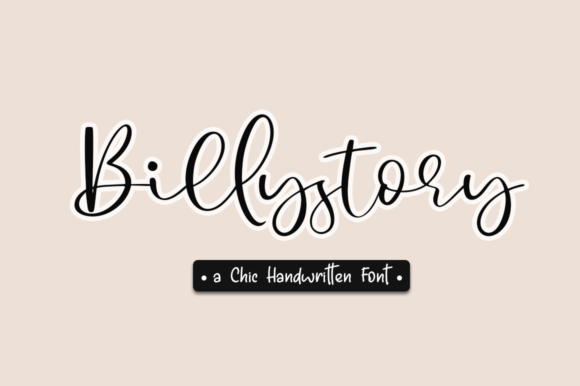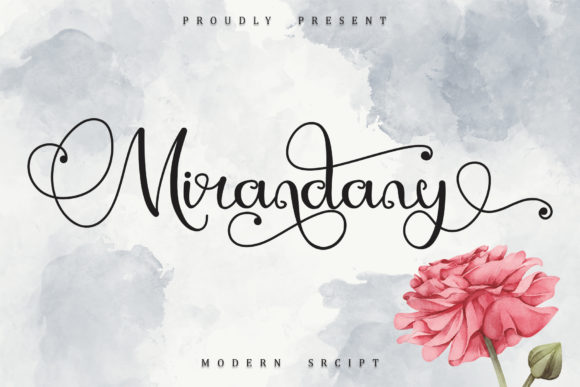
Discover the Elegance of Cheerful Day in Modern Design
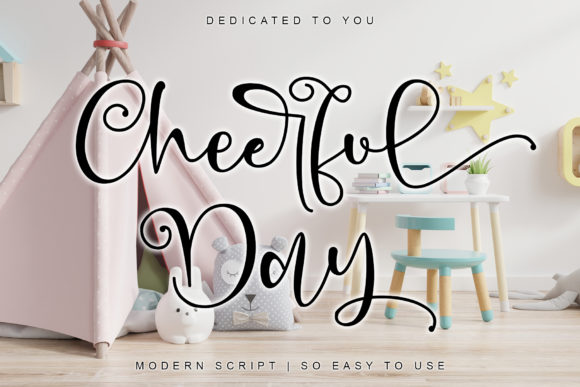
Cheerful Day is more than just a font; it's a design element that brings a sense of grace and movement to any visual project. Its flowing strokes and elegant structure make it particularly well-suited for occasions that require a personal, handwritten touch. Whether you're designing a wedding invitation or crafting a logo, Cheerful Day offers a unique blend of style and functionality that can elevate your work.
The font’s varying baseline adds an organic feel, making each letter seem as though it was written by hand rather than typed on a keyboard. This subtle detail gives Cheerful Day a warmth that many digital fonts lack. The smooth lines and well-crafted glyphs ensure that every character flows seamlessly into the next, creating a visually appealing reading experience.
One of the standout features of Cheerful Day is its array of stunning alternates. These variations allow designers to customize their work without repeating the same look across different projects. For instance, a thank you card might use one set of alternates, while a greeting card could feature another, ensuring that each piece feels distinct and personal.
Applications of Cheerful Day in Creative Projects
Cheerful Day shines in a variety of creative applications, especially those that benefit from a handwritten aesthetic. Wedding invitations are a prime example, where the font’s elegance can convey a sense of sophistication and romance. The font’s ability to maintain clarity while appearing fluid makes it ideal for conveying important details such as names, dates, and locations.
In addition to weddings, Cheerful Day is a popular choice for thank you cards and quotes. These pieces often require a balance between formality and personalization, which Cheerful Day achieves effortlessly. The font’s versatility allows it to be used in both casual and formal settings, making it a go-to option for designers looking for a reliable and stylish typeface.
Business cards and logos also benefit from the use of Cheerful Day. A business card that features this font can stand out in a sea of standard typefaces, offering a memorable and distinctive look. Logos that incorporate Cheerful Day can convey a sense of creativity and approachability, which is essential for brands that want to connect with their audience on a personal level.
Advantages of Using Cheerful Day in Design Work
One of the key advantages of Cheerful Day is its readability. Despite its flowing nature, the font remains easy to read, even at smaller sizes. This makes it suitable for a wide range of applications, from large signage to small text blocks. The font’s consistent stroke width and balanced proportions contribute to its legibility, ensuring that it doesn’t sacrifice clarity for style.
Cheerful Day also offers a high degree of customization. With its extensive set of alternates and ligatures, designers can create unique compositions that reflect their individual style. This flexibility is particularly valuable in projects that require a custom look, such as branding materials or personalized stationery.
Another benefit of Cheerful Day is its compatibility with different design software. The font is available in multiple formats, making it easy to integrate into projects using programs like Adobe Illustrator, Photoshop, or InDesign. This accessibility ensures that designers can use Cheerful Day without encountering technical limitations.
Considerations When Using Cheerful Day
While Cheerful Day is a versatile and attractive font, it’s important to consider its suitability for specific projects. For example, if a design requires a more rigid or structured look, Cheerful Day may not be the best choice. It’s best suited for projects that embrace a more organic and artistic approach.
Additionally, when using Cheerful Day in digital formats, it’s essential to ensure that the font is properly embedded or licensed. This helps prevent issues with display and consistency across different devices and platforms. Proper licensing also ensures that the font is used in compliance with its terms of use.
Finally, when working with Cheerful Day, it’s important to test the font in different contexts. This includes checking how it appears in various sizes, colors, and backgrounds. Testing helps identify any potential issues and ensures that the final design meets the desired aesthetic and functional goals.
Real-World Examples of Cheerful Day in Action
Many designers have successfully incorporated Cheerful Day into their work, showcasing its versatility and appeal. For instance, a boutique wedding planner might use the font on their website and marketing materials to create a cohesive and elegant brand identity. The font’s flowing style complements the romantic and personal nature of wedding planning, making it a fitting choice for the industry.
Another example is a small business owner who uses Cheerful Day on their product packaging. By incorporating the font into labels and tags, the business can create a sense of authenticity and craftsmanship. This approach appeals to customers who value handmade and personalized products, helping the business stand out in a competitive market.
Even in educational settings, Cheerful Day has found a place. Teachers and educators might use the font in lesson plans, certificates, or classroom decorations to add a touch of creativity and personality. The font’s ability to blend style with readability makes it a valuable tool for enhancing visual communication in educational environments.
Conclusion
Cheerful Day is a remarkable font that combines elegance with practicality, making it a valuable asset for designers across various fields. Its flowing strokes, smooth lines, and stunning alternates offer a unique visual experience that can enhance a wide range of projects. Whether used in wedding invitations, business cards, or educational materials, Cheerful Day continues to prove its worth in the world of design.