Discover the Elegance of Holigentha
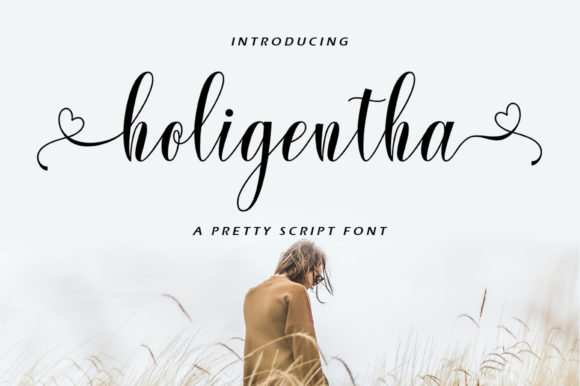
When it comes to adding a touch of sophistication and personal flair to your designs, Holigentha stands out as a premium font that effortlessly blends charm with elegance. This handwritten script font is more than just a typeface—it's a versatile tool that can elevate everything from wedding invitations to business cards. With its smooth lines, gorgeous glyphs, and stunning alternates, Holigentha brings a sense of authenticity and artistry to any project that needs a handwritten touch.
What Makes Holigentha Unique?
Holigentha is a script font that exudes personality and style. Its varying baseline and fluid strokes give it a natural, organic feel that feels handcrafted rather than machine-generated. The font’s visual characteristics make it ideal for projects that require a warm, inviting tone. Whether you're designing a quote card or a logo, Holigentha adds a level of sophistication that's hard to match.
Unlike many other script fonts, Holigentha offers a range of swashes and alternates, allowing for greater customization and visual interest. These features make it particularly useful for designers looking to add unique flourishes without sacrificing readability. The font’s elegant curves and delicate details create a balance between modern typography and traditional craftsmanship.
Where Holigentha Shines
One of the most appealing aspects of Holigentha is its versatility. It works exceptionally well in both digital and print formats, making it a valuable addition to any designer’s toolkit. For creative projects like wedding invitations, thank you cards, and greeting cards, Holigentha adds a personal, artisanal feel that resonates with audiences. Its handwritten appearance makes it perfect for branding that values authenticity and emotional connection.
In commercial settings, Holigentha can be used for logos, packaging design, and marketing materials. Its elegant style helps establish a strong brand identity while maintaining a professional look. For editorial design, such as book covers or magazine layouts, Holigentha can serve as a striking display font that draws attention without overwhelming the reader.
On the web, Holigentha can enhance social media graphics, website headers, and promotional banners. When used thoughtfully, it adds a touch of class that complements modern web design trends. However, it's important to consider how the font performs at different sizes and in various contexts to ensure optimal readability.
How Holigentha Influences Design and Branding
Choosing the right font is more than just an aesthetic decision—it's a strategic choice that affects how your audience perceives your brand. Holigentha, with its elegant and approachable style, can help shape a brand’s personality. Its soft, flowing lines convey warmth and creativity, making it ideal for businesses in the arts, lifestyle, and hospitality industries.
Readability is a key consideration when using any font, especially a script typeface. While Holigentha is highly readable at larger sizes, it may not be suitable for body text in long-form content. Instead, it shines best as a display font that highlights key messages or visual elements. When paired with complementary fonts, it can create a balanced and cohesive design that enhances visual hierarchy and brand recognition.
For small business owners and entrepreneurs, Holigentha offers a way to stand out in a crowded market. Its unique style helps differentiate a brand while maintaining a professional appearance. By incorporating Holigentha into logos, stationery, and marketing collateral, businesses can create a consistent and memorable brand identity.
Practical Tips for Using Holigentha
If you're considering using Holigentha in your next project, start by evaluating how it fits with your overall design goals. Test the font in different sizes and contexts to see how it performs. For example, use it for headlines and titles rather than body text to maintain clarity and legibility.
Font pairing is another important aspect of effective design. Holigentha pairs well with both serif and sans serif fonts, depending on the desired effect. A clean, modern sans serif can provide contrast and balance, while a traditional serif can add a classic touch. Experiment with different combinations to find what works best for your specific project.
When working with Holigentha, pay attention to spacing and alignment. The font’s varying baseline means that careful attention to line height and letter spacing is essential for a polished look. Additionally, review the font’s licensing terms to ensure it meets your commercial needs. Many fonts offer different licenses for personal and commercial use, so it's important to understand the restrictions and permissions associated with your chosen typeface.
Finally, don’t hesitate to seek feedback from others. Ask colleagues, clients, or design communities for their opinions on how Holigentha looks in your work. Their insights can help you refine your approach and make more informed design decisions.