Why Dellamina is the Perfect Handwritten Font for Modern Design
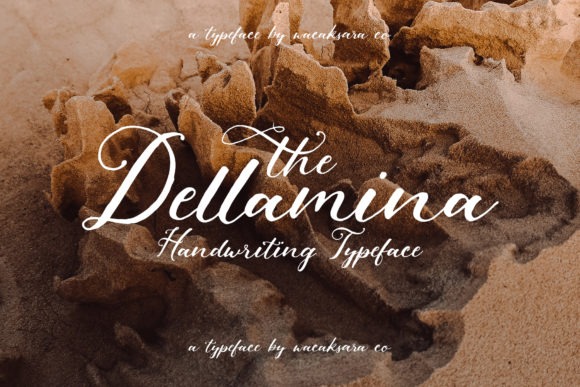
Dellamina is more than just a font—it’s a design statement. This unique, delicate, and timeless handwritten font has become a favorite among designers, wedding planners, and creatives looking to add a personal touch to their work. With its elegant strokes and natural flow, Dellamina brings a sense of warmth and authenticity that digital fonts often lack.
Whether you're creating a custom wedding invitation or designing a logo, Dellamina offers a level of sophistication that stands out. Its versatility makes it ideal for a wide range of applications, from formal documents to casual greeting cards. The font's soft curves and subtle variations in weight give it a handcrafted feel, making it perfect for projects that require a human touch.
The Unique Qualities of Dellamina
What sets Dellamina apart from other handwritten fonts is its balance between elegance and readability. Unlike some fonts that are too ornate or difficult to read, Dellamina maintains a clean structure while still retaining the charm of a handwritten script. This makes it suitable for both short phrases and longer text blocks without sacrificing clarity.
One of the most appealing aspects of Dellamina is its adaptability. It works well in both digital and print formats, ensuring that your design looks great no matter where it’s used. Whether you’re designing a business card or a social media post, Dellamina adds a personal flair that can elevate any project.
The font also features a range of stylistic alternates, allowing designers to customize the look to suit their specific needs. These variations can be used to create a more dynamic layout or to match the tone of a particular design. For example, a more casual version might be used for a birthday card, while a more refined style could be chosen for a corporate logo.
Applications of Dellamina in Design Projects
Wedding invitations are one of the most popular uses for Dellamina. The font’s graceful appearance perfectly complements the romantic and intimate nature of weddings. When paired with a simple background and complementary colors, Dellamina can transform a basic invitation into a beautiful piece of art. It’s especially effective when used for names, dates, and key details, as it adds a sense of elegance and personalization.
Thank you cards and greeting cards also benefit from the use of Dellamina. These types of cards often rely on a heartfelt message, and the font’s soft, handwritten style helps convey sincerity and warmth. Whether you're sending a thank you note to a client or a birthday card to a friend, Dellamina ensures that your message feels genuine and thoughtful.
In addition to stationery, Dellamina is widely used in branding and logos. Its distinctive look makes it ideal for businesses that want to communicate a sense of creativity, craftsmanship, or individuality. From boutique shops to creative agencies, many brands have adopted Dellamina to give their identity a more personal and authentic feel.
Integrating Dellamina into Modern Workflows
With the rise of digital design tools, incorporating a handwritten font like Dellamina has never been easier. Most graphic design software, including Adobe Photoshop, Illustrator, and Canva, supports custom fonts, allowing users to access Dellamina with just a few clicks. This accessibility makes it a practical choice for both professional designers and hobbyists.
For those working on collaborative projects, Dellamina’s consistency across different platforms ensures that everyone involved sees the same visual result. This is particularly important in industries like marketing and publishing, where uniformity is key. By using Dellamina, teams can maintain a cohesive look while still adding a unique, personal element to their designs.
Another advantage of Dellamina is its compatibility with various design styles. It pairs well with modern sans-serif fonts for a balanced look, or with more traditional serif fonts for a classic aesthetic. This flexibility allows designers to experiment with different combinations and find the perfect fit for their project.
Practical Benefits of Using Dellamina
One of the main benefits of Dellamina is its ability to add character without overwhelming the design. Its subtle texture and organic shape make it ideal for projects that need a touch of personality but still require a professional appearance. This makes it a go-to choice for designers who want to avoid the sterile look of many digital fonts.
Dellamina also helps differentiate a design from others in a crowded market. In an industry where originality is highly valued, using a unique font can make a significant impact. Whether it’s a logo, a brochure, or a website header, Dellamina can help your work stand out and leave a lasting impression.
From a practical standpoint, Dellamina is easy to use and requires minimal adjustments to look great. Unlike some fonts that need extensive tweaking to achieve the right effect, Dellamina is designed to be visually pleasing right out of the box. This saves time and effort, making it a valuable tool for busy professionals and creatives.
Recommendations for Using Dellamina
If you’re new to using Dellamina, start by experimenting with small projects. Try applying it to a single line of text, such as a headline or a signature, to get a feel for how it looks. As you become more comfortable, you can gradually incorporate it into larger designs.
When choosing a color scheme, consider how Dellamina interacts with different hues. Lighter colors can enhance the font’s delicacy, while darker tones can add contrast and depth. Testing different combinations will help you find the best visual balance for your project.
Finally, don’t hesitate to explore the font’s full potential. Dellamina offers a variety of weights and styles, so take the time to discover which versions work best for your specific needs. Whether you’re designing for a wedding, a business, or a personal project, Dellamina can bring a unique and meaningful touch to your work.