Sugar Daddy: A Touch of Elegance for Every Design
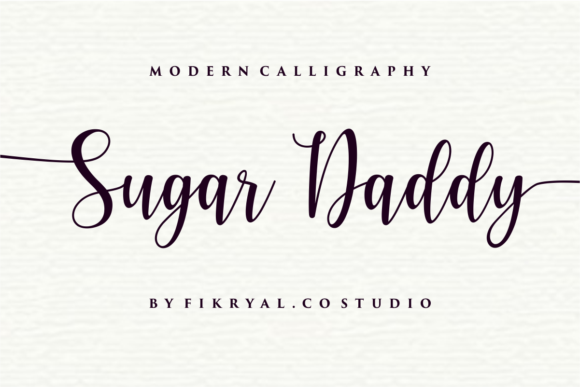
Sugar Daddy is more than just a font—it's a statement. With its graceful curves and refined details, it brings a sense of charm and sophistication to any project that needs a handwritten touch. Whether you're designing a wedding invitation, a thank-you card, or a logo, Sugar Daddy adds a personal and elegant flair that stands out.
As a script font, Sugar Daddy blends the warmth of a handwritten style with the polish of modern typography. Its varying baseline and smooth lines create a natural flow that feels both organic and intentional. The glyphs are beautifully crafted, with intricate swashes and alternates that give your design a unique personality. It's a premium font that works well in both digital and print formats, making it a versatile choice for designers and creatives across various industries.
Where Sugar Daddy Shines
Sugar Daddy excels in projects that benefit from a personal and elegant aesthetic. Wedding invitations are one of its most popular applications, where its soft curves and refined look add a touch of class. But it's not limited to weddings. Thank-you cards, quotes, greeting cards, and even business cards can all benefit from Sugar Daddy's visual appeal.
In editorial design, Sugar Daddy can be used for headings or captions to draw attention without overwhelming the reader. For packaging design, it adds a bespoke feel that elevates the overall brand image. In web design, it's ideal for headers or callout text, especially when paired with a clean sans-serif font for balance.
For social media graphics, Sugar Daddy can make your posts stand out with a custom, handcrafted look. It's also a great choice for logos, particularly for brands that want to convey a sense of elegance, creativity, or personal connection. Its versatility makes it a valuable addition to any designer's toolkit.
How Sugar Daddy Influences Design
The right font can have a significant impact on how a design is perceived. Sugar Daddy, with its flowing lines and elegant structure, can enhance readability while maintaining a stylish appearance. However, it's important to consider the context in which it's used. While it's perfect for short phrases or headlines, it may not be the best choice for long blocks of text due to its decorative nature.
In terms of visual hierarchy, Sugar Daddy can help guide the viewer's eye toward key elements of a design. Its distinct character makes it ideal for headlines, titles, or accents that need to stand out. When used thoughtfully, it can reinforce brand identity by creating a consistent and recognizable look across different materials.
For small business owners and entrepreneurs, Sugar Daddy offers a way to elevate their brand without breaking the bank. It's a commercial font that can be used in a variety of applications, from marketing materials to product packaging. Its PUA encoding ensures that all glyphs and swashes are easily accessible, giving designers full control over their typography choices.
Choosing the Right Font for Your Project
When considering Sugar Daddy for a project, start by evaluating the purpose and audience. Is the design meant to be formal, playful, or something in between? Sugar Daddy's personality leans toward the elegant and refined, so it's best suited for projects that align with that tone.
Testing font pairings is an essential step in the design process. Pairing Sugar Daddy with a complementary typeface—such as a clean sans-serif or a classic serif—can create a balanced and professional look. Avoid using too many decorative fonts in one design, as this can lead to visual clutter and reduce readability.
Readability should always be a priority, even with a stylish font like Sugar Daddy. Make sure there's enough contrast between the font and the background, and use appropriate sizing for the intended medium. For print projects, ensure that the font is high-resolution and suitable for the chosen paper stock.
Understanding the licensing terms is also crucial, especially if you're using Sugar Daddy for commercial purposes. Check the license agreement to confirm what you're allowed to do with the font, and make sure it meets your project's requirements. This helps avoid any legal issues down the line.
Practical Tips for Using Sugar Daddy
If you're new to using script fonts, start with small applications before diving into larger projects. Use Sugar Daddy for headings, logos, or decorative elements rather than body text. This allows you to appreciate its beauty without compromising readability.
Experiment with different sizes and spacing to see how Sugar Daddy looks in various contexts. Sometimes a slightly larger size or increased letter spacing can make the font more legible while maintaining its elegance. Don't be afraid to test it on different backgrounds and colors to find the best combination.
For those working on branding projects, consider how Sugar Daddy fits into the overall visual identity. Does it align with the brand's personality and values? If so, it can become a key element of the design system. If not, it might be better to explore other options that better match the brand's tone.
Finally, remember that typography is a powerful tool in design. A well-chosen font like Sugar Daddy can enhance the message, evoke emotions, and create a lasting impression. Whether you're designing for a client or your own business, taking the time to select and apply the right font can make all the difference.