Green Tea: A Stylish and Elegant Script Font for Every Design
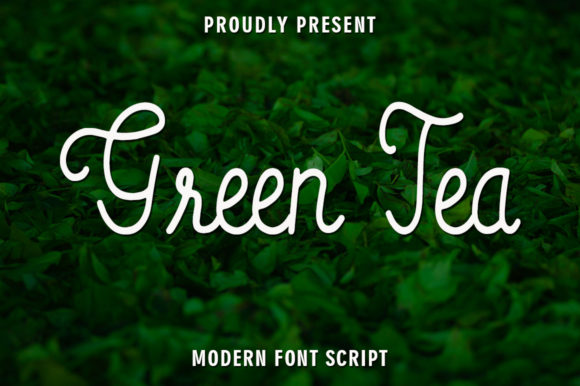
If you're looking for a font that combines elegance with a personal touch, Green Tea might be the perfect choice. This script font is known for its stylish appearance and ability to add a handwritten feel to any design. Whether you're creating wedding invitations, thank you cards, quotes, greeting cards, logos, or business cards, Green Tea can elevate your work with its unique charm.
Understanding what makes Green Tea stand out can help you make informed decisions about its use. While it's visually appealing, there are common mistakes and misunderstandings that can affect how well it works in different contexts. Knowing these pitfalls can save you time, money, and frustration.
What Is Green Tea and Why It Matters
Green Tea is a script font that mimics the look of handwriting. Its flowing lines and natural curves give it a soft, artistic feel that many designers find appealing. Unlike more rigid fonts, Green Tea adds a sense of warmth and individuality to any project. This makes it ideal for creative professionals who want to convey a personal or intimate message.
However, not all designs benefit from a script font. For instance, using Green Tea in large blocks of text can reduce readability. It’s best suited for short phrases, headlines, or decorative elements where style takes precedence over function. Understanding this distinction helps you use the font more effectively.
Common Mistakes When Using Green Tea
One of the most frequent errors is using Green Tea in situations where clarity is essential. If you're designing a document that needs to be read quickly, such as a report or an infographic, a script font like Green Tea may not be the best option. It can make the text harder to scan and less professional in certain contexts.
Another mistake is not considering the size and spacing of the font. Green Tea has a delicate structure, so if it's too small or too tightly spaced, it can become difficult to read. Always test the font at different sizes and with various layouts before finalizing your design.
Some users also overlook the importance of font licensing. If you're using Green Tea for commercial purposes, ensure that you have the proper license. Downloading from untrusted sources can lead to legal issues and unexpected costs down the line.
How These Mistakes Can Affect Your Work
Using Green Tea inappropriately can lead to poor communication. If your message isn’t clear due to a font choice, it can confuse your audience and reduce the impact of your design. This is especially important in marketing materials, where clarity and professionalism matter.
Inefficient use of the font can also affect your workflow. If you’re struggling with readability or formatting, you may spend extra time adjusting the layout, which can slow down your productivity. Taking the time to plan your use of Green Tea can prevent these issues.
Practical Advice for Better Results
Before deciding to use Green Tea, consider the purpose of your design. Ask yourself: Does this font enhance the message, or does it distract from it? If you're unsure, try pairing it with a more traditional font for contrast. This can help maintain readability while still adding a stylish element.
Testing is crucial. Create a sample design with Green Tea and review it in different formats—print, digital, and mobile. This will help you see how it performs in real-world scenarios. You may find that it looks great on a website but doesn’t translate well to a printed card.
Always check the licensing terms. Reputable font marketplaces like Adobe Fonts, Creative Market, or Google Fonts provide clear information about usage rights. Avoid downloading from unknown websites, as they may not offer proper licenses or could include malware.
Realistic Examples and Better Approaches
For example, if you're designing a wedding invitation, Green Tea can add a romantic and elegant touch. However, avoid using it for the entire text. Instead, use it for the couple’s names or a special quote, and pair it with a more readable font for the rest of the details.
Another example is a business card. While Green Tea can make your name stand out, it may not be suitable for your contact information. Use it sparingly and ensure that the other text is easy to read. This balance helps maintain professionalism while still showcasing your creativity.
What to Check Before Using Green Tea
Before you start using Green Tea, verify that it’s available in the right format for your project. Some fonts come in different weights or styles, and choosing the wrong one can affect the overall look. Also, check if the font supports the languages you need, especially if you're working on international projects.
Consider the platform you're using. Some software may not render Green Tea correctly, so test it in your design tool before finalizing. If you’re working with a client, share a preview to get their feedback and ensure it meets their expectations.
Finally, think about the message you want to convey. Green Tea is ideal for creative, personal, or artistic projects, but it may not fit the tone of a corporate or formal document. Choosing the right font for the right context ensures that your design communicates the intended message effectively.