Diving: A Stylish and Versatile Sans Serif Font for Modern Design
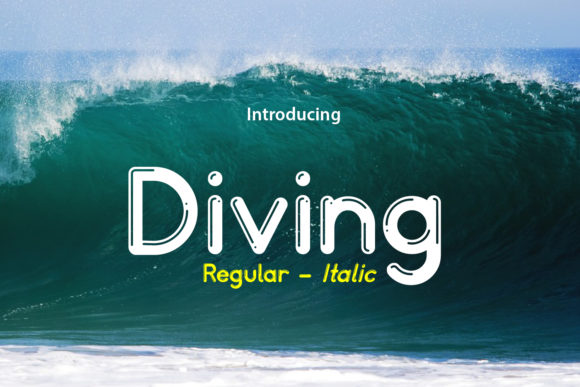
Diving is a modern, clean, and highly readable sans serif font that has gained popularity among designers, marketers, and creatives. Known for its friendly and approachable aesthetic, Diving offers a balance between elegance and simplicity, making it an excellent choice for a wide range of design projects. Whether you're working on a logo, poster, business card, or presentation, Diving provides a visually appealing option that can elevate the overall look of your work.
What sets Diving apart from other fonts in its category is its combination of subtle curves and sharp edges, which give it a unique character. Unlike more rigid or geometric sans serifs, Diving maintains a sense of warmth and personality, making it ideal for projects that require both professionalism and a touch of creativity.
Understanding Diving's Unique Characteristics
Diving belongs to the broader family of sans serif fonts, which are known for their lack of decorative flourishes and clean lines. This makes them particularly effective for digital and print media where readability is crucial. However, what distinguishes Diving is its softness and approachability. The font’s rounded corners and gentle strokes contribute to a more inviting appearance compared to some of its more industrial counterparts.
One of the key features of Diving is its versatility. It works well in both large and small sizes, maintaining clarity and legibility across different formats. This makes it suitable for everything from headlines and titles to body text and captions. Its balanced structure also ensures that it doesn’t overpower the surrounding design elements, allowing it to blend seamlessly into various layouts.
How Diving Compares to Similar Fonts
When evaluating Diving against other popular sans serif fonts, it's important to consider the specific needs of your project. For instance, fonts like Helvetica and Arial are widely used for their neutrality and broad compatibility. These fonts are often preferred in corporate or technical contexts where a more traditional and unobtrusive look is required. In contrast, Diving offers a more distinctive visual identity, which may be better suited for creative or branding-oriented projects.
Fonts such as Montserrat and Open Sans are also commonly used in design work due to their modern feel and strong readability. While these fonts share similarities with Diving in terms of clarity and structure, they tend to have a more neutral tone. Diving, on the other hand, brings a slight edge of personality, which can be beneficial when you want to make a statement without sacrificing professionalism.
For those looking for a more decorative option, fonts like Playfair Display or Lora offer a more ornate style. These are often used in editorial or artistic contexts where a more refined or historical feel is desired. However, they may not be as practical for everyday use, especially in digital environments where simplicity and efficiency are valued.
Best Use Cases for Diving
Diving excels in situations where a friendly yet professional appearance is needed. It is particularly well-suited for logos and brand identities that aim to convey approachability and innovation. The font’s clean lines and balanced proportions help create a strong visual presence without being overly bold or aggressive.
In addition to logos, Diving is a great choice for posters and marketing materials. Its readability at larger sizes ensures that messages are clear and engaging, while its stylistic elements add visual interest. This makes it a valuable tool for events, promotions, and campaigns that require a mix of aesthetics and functionality.
Business cards and presentations are other areas where Diving shines. When used in these formats, the font contributes to a polished and cohesive look. Its ability to maintain legibility in small sizes makes it ideal for contact information, while its modern appearance supports a professional and up-to-date image.
Limitations and Considerations
While Diving is a versatile and attractive font, it may not be the best fit for every situation. In highly formal or traditional settings, such as legal documents or academic publications, more conventional fonts like Times New Roman or Garamond might be more appropriate. These fonts have long been associated with authority and credibility, which can be essential in certain contexts.
Another consideration is the availability of Diving in different weights and styles. Some fonts offer a wide range of variations, allowing for greater flexibility in design. If Diving has limited options in this regard, it may require careful selection to ensure that it meets the specific needs of your project. Additionally, users should verify that the font is available in the necessary file formats and is compatible with the software they are using.
When to Choose Diving Over Alternatives
Diving is an excellent choice when you want to add a touch of personality to your design without compromising on readability. If your goal is to create a visually engaging piece that still feels professional, Diving can be a strong candidate. It is especially useful when the design requires a balance between creativity and clarity.
For example, if you're designing a website for a tech startup or a creative agency, Diving could help reinforce a modern and innovative brand image. Similarly, in social media graphics or email newsletters, the font can add a fresh and contemporary feel that resonates with your audience.
However, if your project demands a more neutral or traditional look, it may be worth exploring other options. Fonts like Georgia or Futura, for instance, offer different visual characteristics that might align better with your goals. Ultimately, the decision should be based on how well the font supports the message and purpose of your design.
Conclusion: Making the Right Choice for Your Project
Diving is a compelling option for designers seeking a stylish and functional sans serif font. Its friendly yet professional appearance makes it suitable for a variety of applications, from logos to presentations. By understanding its strengths and limitations, you can determine whether it aligns with your design needs and objectives.
As with any design element, the choice of font should be guided by the context, audience, and intended message. Diving offers a unique combination of readability and character, but it is not the only solution. Exploring alternatives and considering the specific requirements of your project will help you make an informed decision that enhances the overall effectiveness of your work.