Aesthetica: The Elegant Handwritten Font for Every Creative Project
For those seeking a touch of sophistication and personalization in their design work, Aesthetica stands out as a versatile and elegant handwritten font. Its flowing lines and refined glyphs make it ideal for a wide range of applications, from wedding invitations to business cards and everything in between. But while Aesthetica offers a stunning aesthetic, there are several key considerations that users should keep in mind to ensure they get the most out of this beautiful typeface.
Understanding What Makes Aesthetica Unique
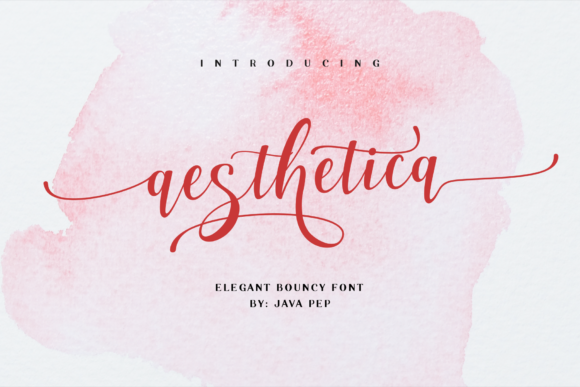
Aesthetica is more than just a font—it's a style that brings a sense of artistry and grace to any design. Its varying baseline, smooth strokes, and ornate alternates give it a natural, handcrafted feel that digital fonts often lack. This makes it particularly appealing for projects that require a personal or artistic touch, such as thank you cards, quotes, and logos. However, its elegance can also be a double-edged sword if not used thoughtfully.
One common misunderstanding is that Aesthetica is always the best choice for every project. While it excels in certain contexts, it may not be suitable for large blocks of text or designs that require high readability. The font’s intricate details can become difficult to read when used in long paragraphs or at smaller sizes, which can negatively impact the overall effectiveness of the design.
Mistakes to Avoid When Using Aesthetica
Many users fall into the trap of assuming that a beautiful font automatically translates to a successful design. This is where Aesthetica can be misused. For instance, using it for body text in a brochure or website can lead to poor legibility and a cluttered appearance. The font’s stylistic elements, while visually appealing, may not be practical for everyday use.
Another mistake is not considering the context in which Aesthetica will be used. If the font is intended for a professional setting, such as a business card or logo, it’s important to ensure that it aligns with the brand’s identity. Aesthetica’s elegance might not fit well with a modern, minimalist design, and could appear out of place or overly ornate.
Additionally, some users overlook the importance of testing the font in different formats. Aesthetica may look great on a screen, but when printed, the subtleties of its design can be lost or distorted. It’s crucial to test the font in both digital and print environments to ensure consistency and quality across all mediums.
How to Choose the Right Version of Aesthetica
Aesthetica comes in various styles and weights, each with its own unique characteristics. Before making a decision, it’s important to understand the differences between these versions and how they might affect your project. For example, some variations may include additional ligatures or alternate characters that can enhance the font’s visual appeal, while others may be more limited in scope.
When selecting a version of Aesthetica, consider the purpose of your design. If you’re creating a formal invitation, a more refined and structured version may be preferable. For a creative project like a quote or artwork, a more expressive variant could add the desired flair. Always review the font’s features and limitations to ensure it meets your specific needs.
Practical Tips for Using Aesthetica Effectively
To get the best results with Aesthetica, start by using it strategically rather than excessively. Limit its use to headings, titles, or short phrases where its beauty can shine without compromising readability. For example, instead of using Aesthetica for an entire wedding program, apply it to the main title and key details, while using a more standard font for the rest of the content.
Another useful approach is to pair Aesthetica with complementary fonts. Combining it with a clean, sans-serif typeface can create a balanced and harmonious design. This contrast helps maintain visual interest while ensuring that the text remains easy to read. Always test different combinations to find the right balance for your project.
Finally, don’t forget to check the licensing terms before using Aesthetica in commercial projects. Some versions of the font may have restrictions on usage, and failing to comply with these terms can lead to legal issues. Make sure you understand the rights associated with the version you choose, especially if you plan to use it for business or public-facing designs.
Final Thoughts on Aesthetica
Aesthetica is a powerful tool for adding a touch of elegance and personality to your designs. However, its success depends on how it’s used. By understanding its strengths and limitations, avoiding common mistakes, and applying it thoughtfully, you can harness its beauty without sacrificing functionality or clarity.
Whether you're a designer, entrepreneur, or hobbyist, Aesthetica offers a unique way to express creativity and individuality. With the right approach, it can elevate your work and leave a lasting impression on your audience.